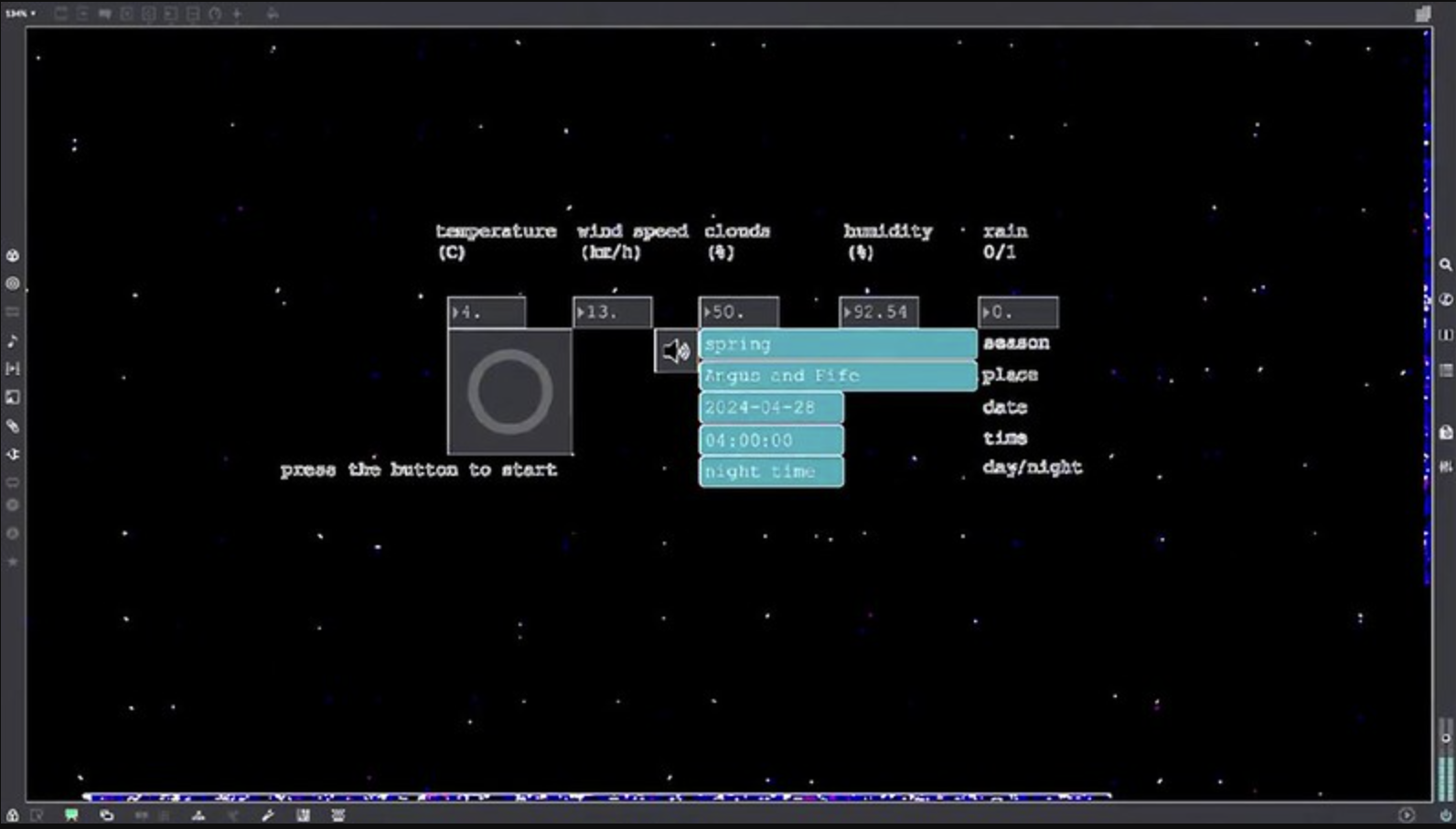
The Interactive Audio elective is available to all postgraduate students taking a Stage 2 elective, offering an introduction to audio-visual programming languages and generative workflows. The course requires no prior experience with programming or digital signal processing. Teaching focusses on Max MSP and Jitter, and on open-source alternatives such as Pure Data and Supercollider are also discussed and utilised for project submissions.
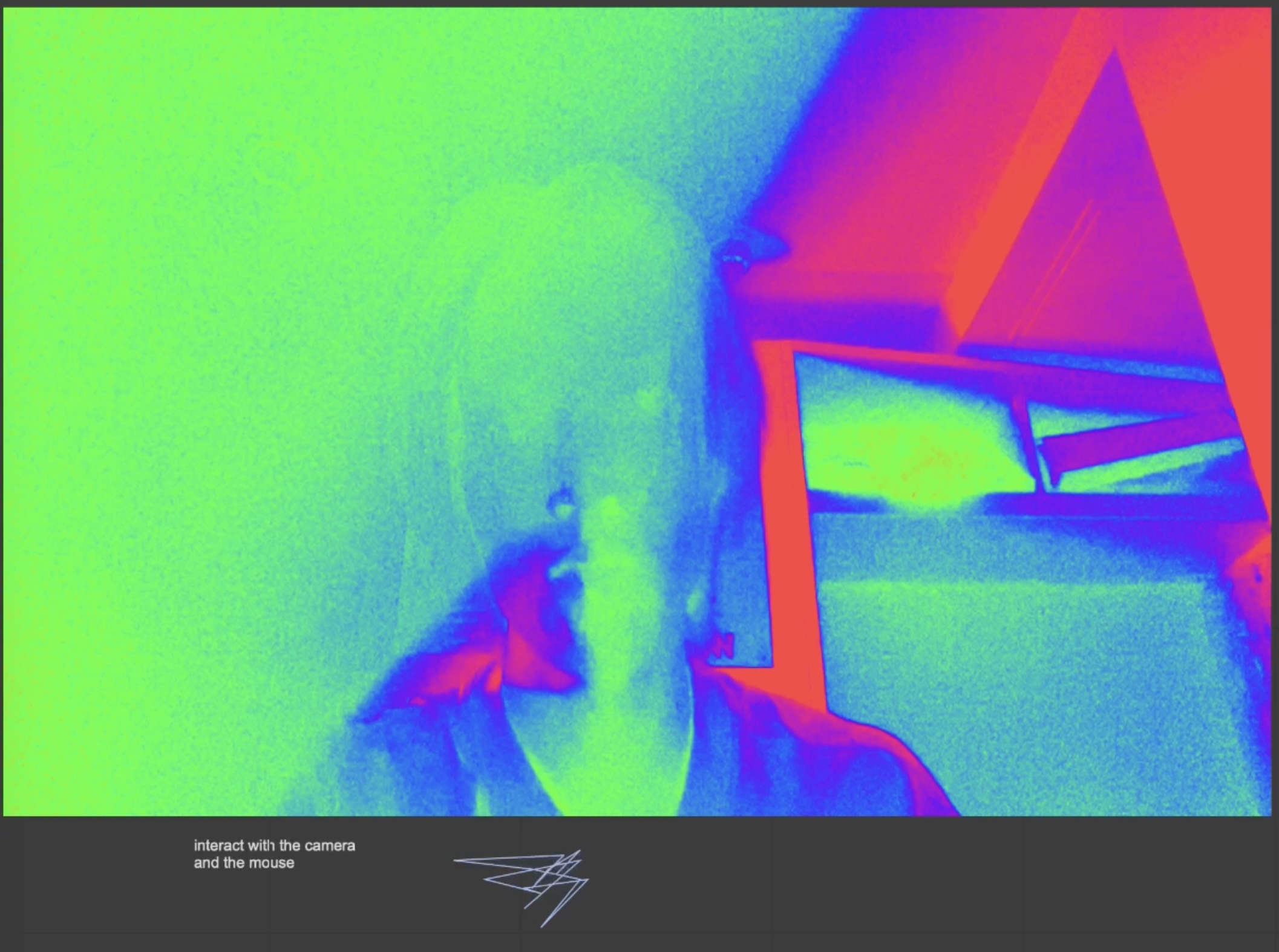
Beyond technical fundamentals, the course provides a deeper understanding of how sound and images are represented in the digital domain. Students explore a broad range of topics including basic digital signal processing, psychoacoustics, generative compositional approaches, and interaction design. The curriculum also covers the historical contexts of algorithmic composition and conceptual models of interactivity, discussing key works from the world of algorithmic sound.
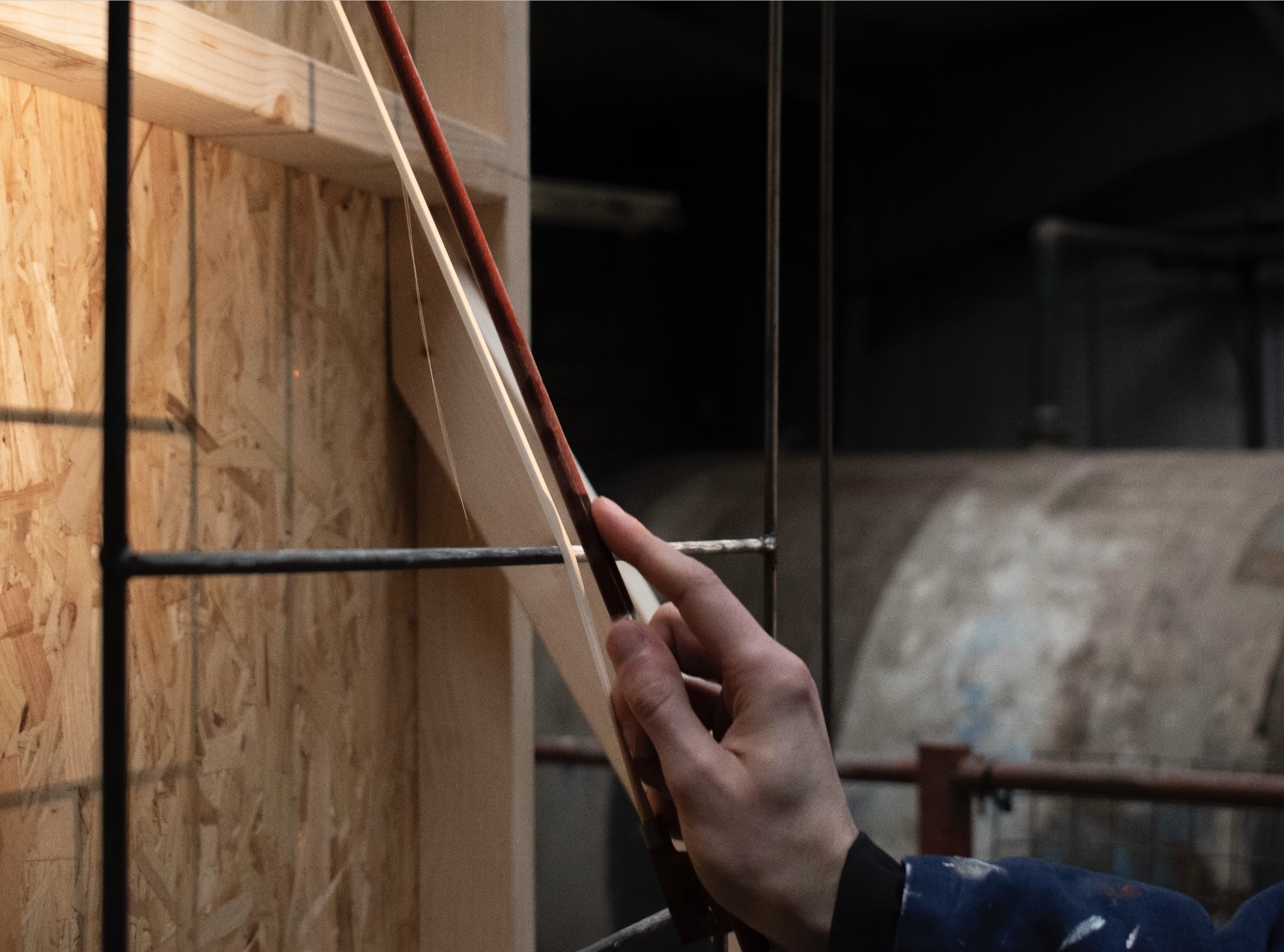
A core aim of the course is for students to develop a genuine curiosity and experimental sensibility when engaging with digital environments. Students are encouraged to coordinate their software with physical objects, utilising interactive I/O interfaces such as Arduino, Raspberry Pi, MIDI controllers, and OSC data over networks. By tracing how the fundamental mathematics of sound shapes everyday listening, students build a critical understanding of aesthetic decision-making and a personal vocabulary for working with sound.
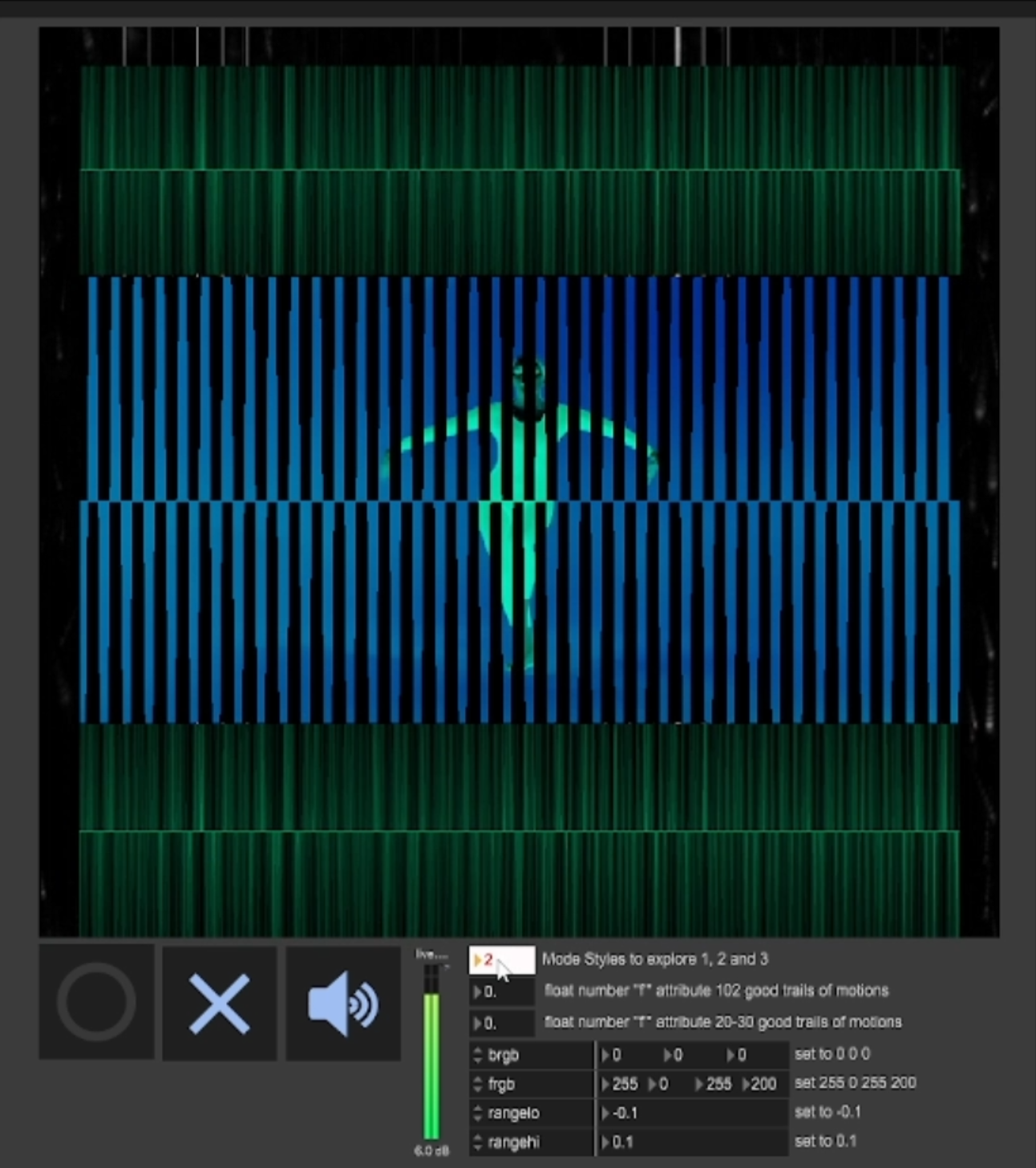
Student outcomes are highly varied and have previously included sonifications, sound sculptures, generative graphics, musical instruments, and audio-visual installations. Course assessment is based on an independent portfolio of finished pieces or exploratory fragments, alongside a design journal that details the process and practical outcomes using autoethnographic tools to form a critical account. Ultimately, many students carry these experimental approaches forward, integrating audio-visual programming and interactivity into their final research projects.