INTRODUCTION

2025 marked the 10th anniversary of the Master of Research programme at SIT; a significant milestone to mark in the programme’s evolution and trajectory. Over the past decade, the programme has established itself and grown it’s offering, providing students with the opportunity to develop both interdisciplinary expertise and the methodological skills required to undertake high-quality research.

The programme supports independent research activity, which is contextually located in emerging social, cultural, political, environmental and technological challenges with outputs that are reflective of contemporary research agendas. Over the last decade, students from across a range of fields and design-led disciplines have explored creative practice in the contexts of health, care and wellbeing, education, sustainability, communities and place-making, land reform, heritage and craft, emerging technologies, circular economy, and the creative industries.

To celebrate this milestone, we spotlight graduate stories reflecting on their experience and learning journey, and life after the M.Res programme.

Asset 4

Ailsa Morrant

Perpetually Searching for Eudaemonia:
A Conversation About Object Wearing


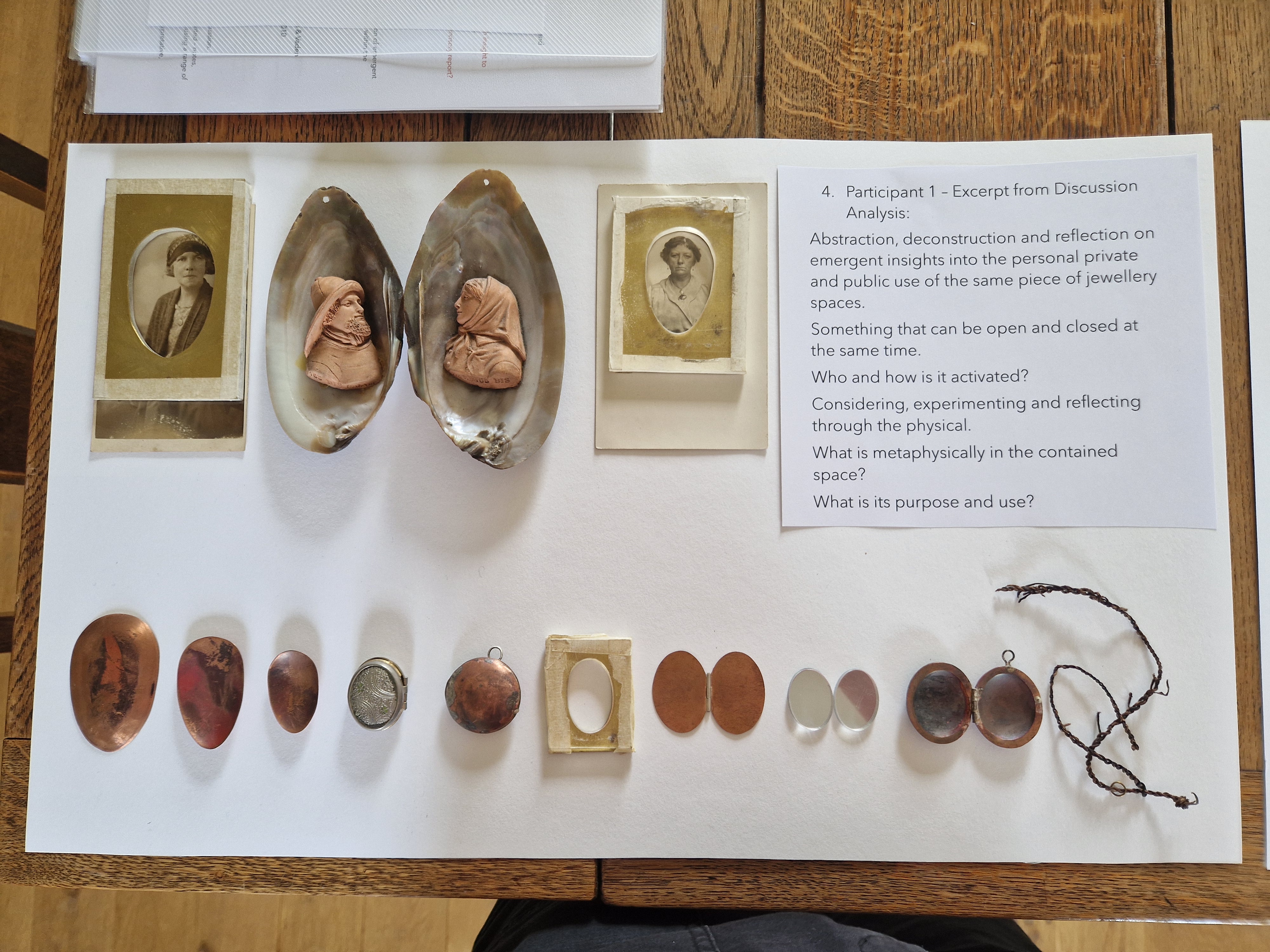
Through the creative lens of a jeweller, using a grounded theory approach, by comparing and contrasting experiences of wearing jewellery with those of worn personal alarms, I considered why and how wearing an object influences eudaemonia, the state of wellbeing and contentment arising from personal and social meaning, and purpose.  

Insights from semi-structured interviews and a workshop were qualitatively investigated and tested. Six categorizable, dynamic and interactive factors potentially influencing the eudaemonic affect of wearing any object were revealed;

a person’s emotional state, their emotional need, their perceived meaning of a worn object, their curation of objects to wear for given situations, what their perceived affect of wearing an object was, and whether or not this led to a sense of self-actualisation.  

From this, three potential principles emerged;

1. Willingly wearing an object is a personal, intimate act created and curated by the wearer, motivated by their quest for contentment.

2. Personal selection of an object to wear depends on the perception of its inherent meaning and eudaemonic utility within the situation proposed to wear it.  

3. The term jewellery describes a way of wearing an object that the wearer perceives has the capacity to positively change their state of being.  
Life After Graduating

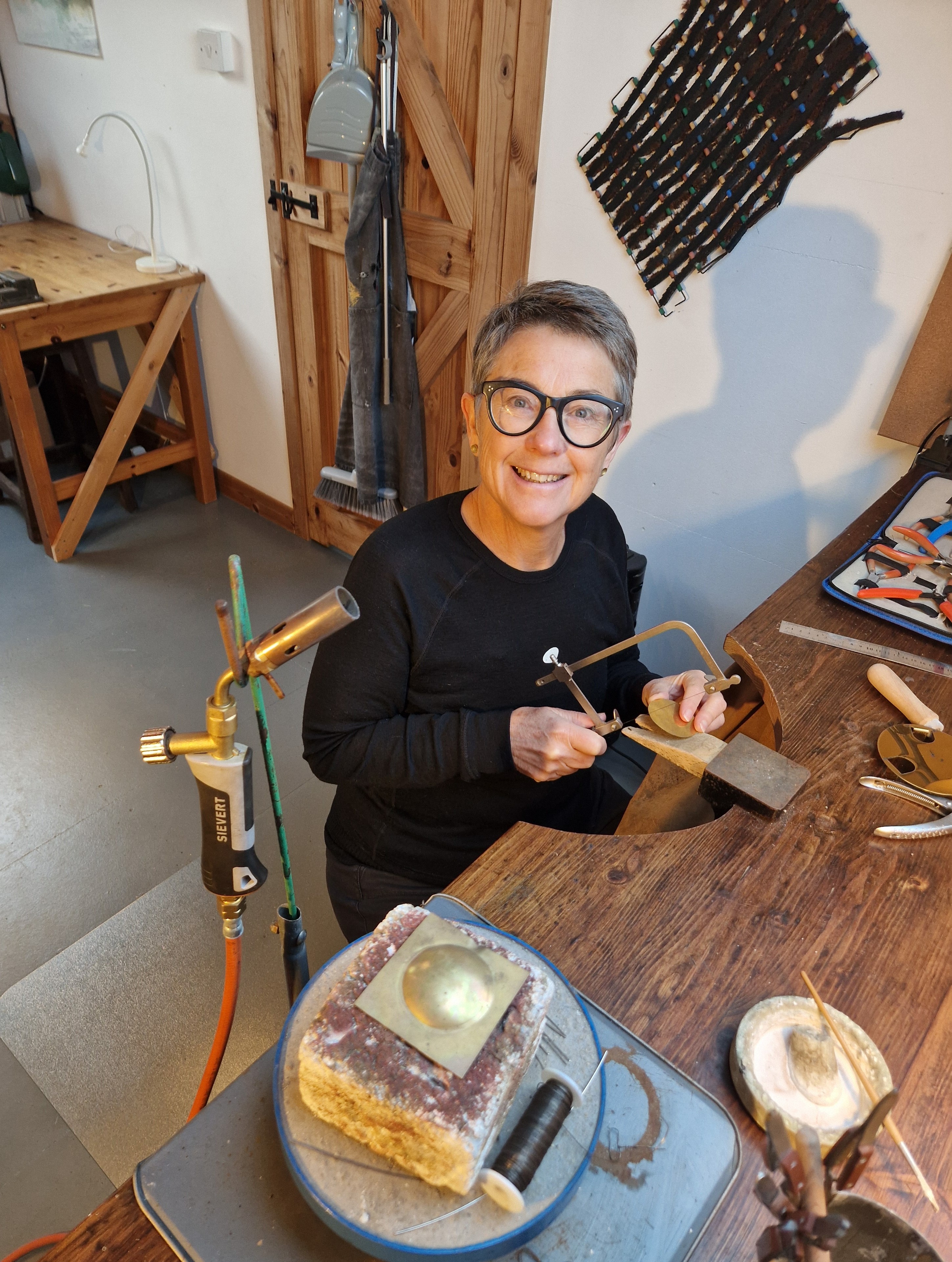
As a jeweller, I have always wondered what the term ‘jewellery’ is describing. Why do we call some wearable objects jewellery but not others? This question drives my creative practice. Prior to the MRes experience I struggled to understand how I could integrate an academic research approach within my creative working process. I therefore used a methodology for my MRes which heightened my insight of how to personally be, and acknowledge self, as an integral element within the process of researching, ultimately giving me the confidence to write up my thesis in the first person.

After completing my thesis, my thoughts continued to swirl. My mind needed to pause, sift, review and sort. I knew GSA Archives had recently acquired an extensive personal jewellery collection which I sensed held relevance for my work. I therefore volunteered to assist one day a week with cataloguing it. This activity gave me space and time to both pause and think, whilst also staying engaged with my field of research. This period helped lead me towards considering and successfully applying for a GSA PhD studentship award in 2023 which has enabled me to continue researching, from further perspectives, what the term jewellery is describing.
Contact Info
Contact Info
Asset 4

catriona doyle

Perpetually Searching for Eudaemonia:
A Conversation About Object Wearing


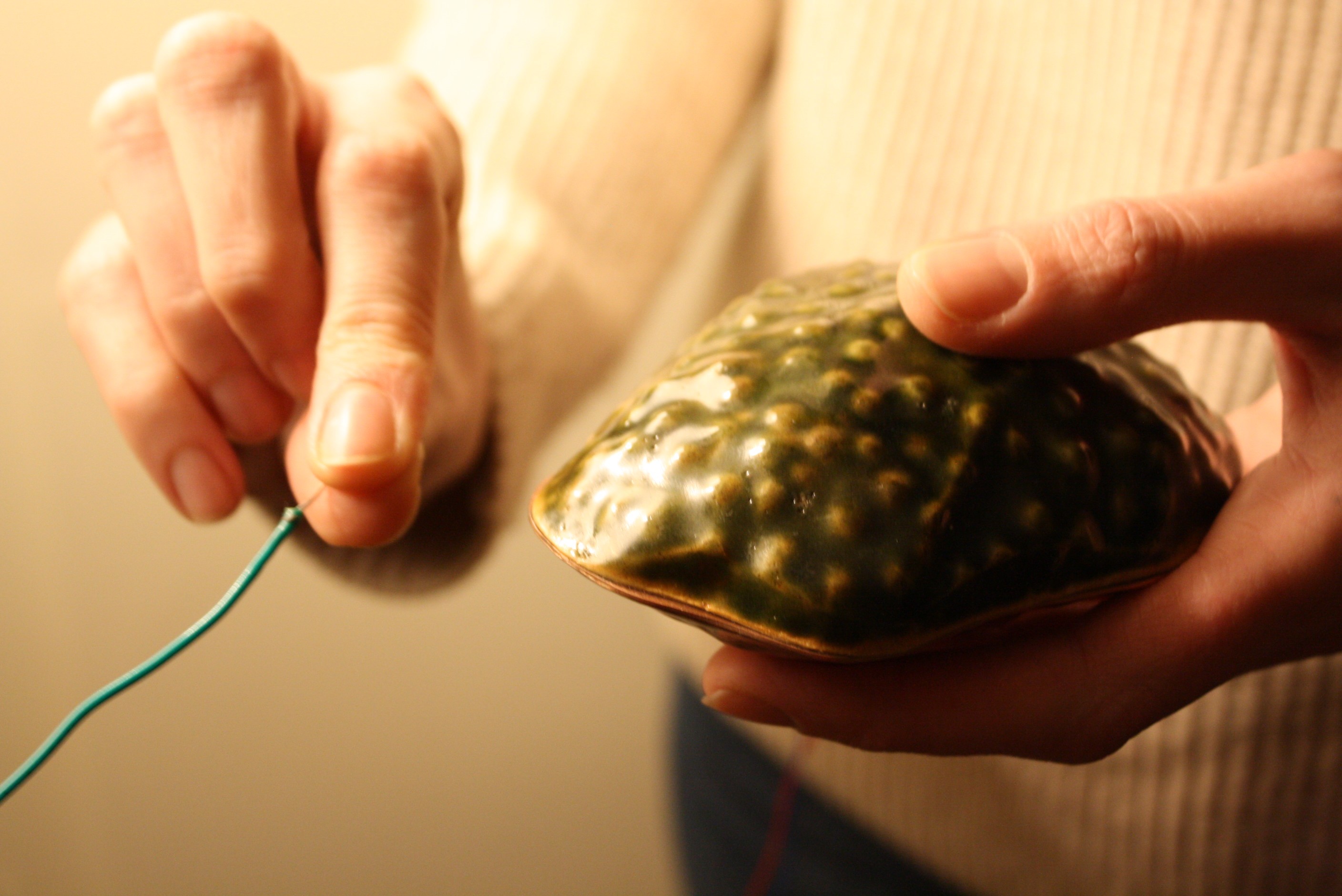
Thegrowing challenges presented by the current mental health crisis provideopportunities for alternative interventions to support social healthcarepractices. One such example is engagement with objects, which has been found tobe beneficial in a variety of these contexts. These “object-based practices”elicit sensory experience and provide a stimulus for communication, both ofwhich can effectively support mental health and wellbeing.

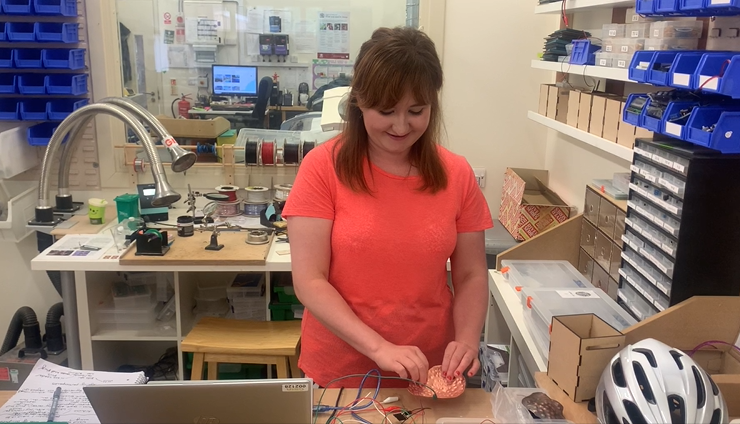
Despitethe multisensory potential of materiality and the impact of this on affectiveresponse, few examples exist of object-based practices which incorporatedeliberately crafted objects. This project therefore combined craft andobject-based practices to create a series of multisensory handmade anddigitally enhanced objects. These were used as “enticatypes” to open upconversation with the research participants about further development ofobject-based practices for mental health and wellbeing.Findingsshowed that handcrafted objects could be more successful in these contexts thanthose traditionally used in object-based practices. Value was also found in thecreation of diverse object-based “communities of practice”, and thepossibilities for handcrafted objects to facilitate difficult conversations inother areas of social research.

Post MRes Reflection

The MRes provided me with a space to reflect on and develop my practice. I am so grateful for the opportunities to network with a broad range of peers and professionals whilst developing a plethora of key research skills.

Since graduation, I have been fortunate to secure a role within GSA, playing a key role in supporting SIT’s academic staff and students. The knowledge and experience that I developed as a student at the School myself is extremely beneficial in this role, providing me with first-hand experience from which to develop effective support practices. This role has also given me an excellent understanding of academic governance, which I know will be advantageous as my career in Higher Education progresses. I also continue to grow my creative and research practice, and am currently building a website to support my networking ambitions and help me to position myself in my chosen research context.

As I’m sure my peers would agree, every experience of the MRes programme is unique, and it really is what you make it. I can’t recommend it highly enough for anyone who wants to gain research training through a self-led project.

Asset 4

Fiona MacLELLAN

Designing Remote Educational Futures

Designing Remote Educational Futures is a Master of Research project conducted with remote school networks in the Outer Hebrides. It follows a designer-researcher’s exploration of educational reform between 2016 and 2019, culminating in the presentation of findings at the Scottish Parliament.

The research approach is grounded in people, policy, and place, examining the role of schools within rural island communities. These networks share a need for greater creative participation in shaping the future of remote schooling and informing national policy. The thesis analyses contemporary policies and publications that have driven recent transformations in digital learning, assessing how these blueprints influence the plausibility of near-future educational visions and the agency afforded to island learners. An alternative design-research approach is proposed in response.

The research generates impact in two main areas. First, it seeks to increase awareness among educationalists—particularly within Education Scotland—of the importance of young people’s involvement in shaping their futures. Second, it contributes to the Scottish Approach to Service Design by outlining guiding principles and creative engagement methods that promote learner agency, including new design-research practices such as “walkshops” and “futurescapes”.

Post MRes Reflection

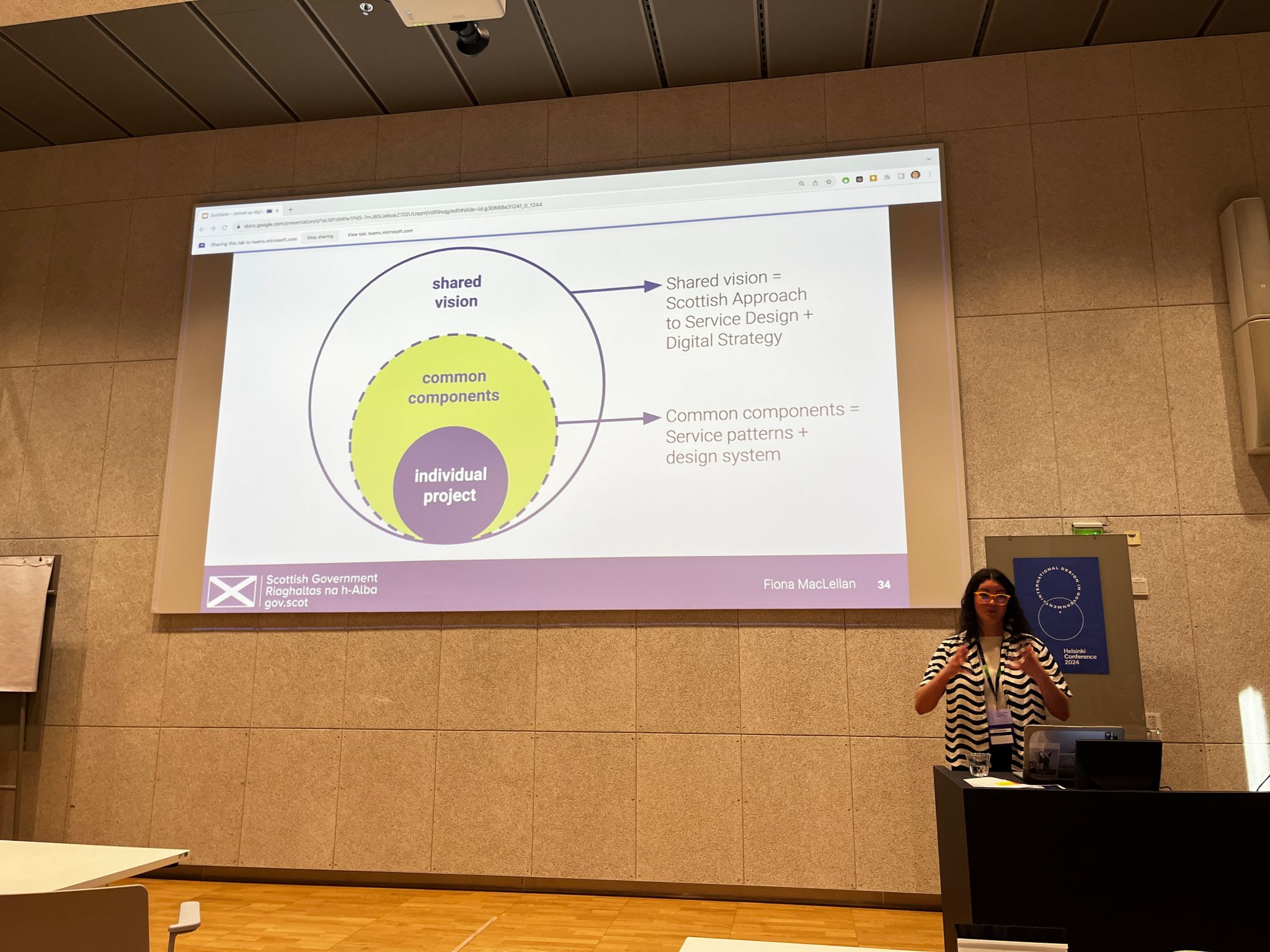
Since graduating, I have built on the foundations of my research by joining the Scottish Government in 2019 as a Lead Service Designer. My role has grown into Head of Practice, where I support design teams across government and help strengthen a culture of human-centred, participatory policymaking. The principles developed during my Master of Research—particularly those emphasising agency, collaboration, and futures-focused design—continue to shape my professional practice.

A major part of my work involves contributing to the design of Scotland’s emerging digital national infrastructure. This includes developing platforms and services that allow the public sector to collaborate more effectively and deliver consistent, accessible services for people across the country. Working at this scale has deepened my understanding of the relationship between design, policy, and systems change.

In 2024, I had the opportunity to share this work internationally as a speaker at a design conference in Helsinki. Reflecting on the journey from postgraduate research to government leadership, I can see a clear thread: a commitment to designing with people, not just for them, and to shaping futures that communities—remote or not—can actively influence.

Asset 4

Harriet SImms

MRes Abstract

This MRes project explored how the civic role of the Glasgow School of Art (GSA) could be developed by opening up effective avenues of dialogue with the local neighbourhood of Garnethill. The research ran alongside my role as Community Engagement Officer at GSA with the aim of developing a series of outputs to direct the focus of the role including the co-creation of a community engagement strategy.

Using participatory design methods, this research aimed to provide an insight into the dynamic context and stakeholders within Garnethill and GSA and identify shared values as the basis for future community engagement and development. The research followed a Participatory Action Research methodology and used methods of conversational scoping, walking interviews and co-design workshops, to develop context-specific participatory design tools to facilitate participants in reflection and ideation about the future of Garnethill and the role of GSA within it.

Post MRes Reflection

Completing an MRes solidified my interest in pursuing a research career. It offered a structured learning environment while giving me the independence to lead a research project. Undertaking the program part-time over two years allowed for deeper engagement with the research context and meaningful reflection throughout the process.

After graduating, I contributed to a range of research projects as a Research Associate at GSA, DHI, and Design Informatics at the University of Edinburgh. I am now pursuing a PhD within SIT at GSA, aiming to capture the developing landscape of Design and Policy in Scotland through the stories and experiences of practitioners. The MRes experience strengthened my confidence in planning and delivering research projects and helped refine my methodological approach and research interests, which continues to shape my current work

Asset 4

Ross McIntosh

MRes Abstract

This practice-based research project investigated how participatory design can uncover the barriers and enablers surrounding digital self-management devices, in order to inform more user-centred design principles for people living with long-term conditions. Individuals with type 1 diabetes were selected as the focus due to their continuous and interdependent use of devices such as glucose monitors and insulin pumps.

The study used semi-structured interviews to explore participants lived experiences of self-management, supported by an interactive situational mapping activity to identify relationships, influences and dependencies beyond each individual user. Insights from these activities were synthesised into a relational stakeholder map. A participatory workshop then brought users together to validate and extend this map through generative methods; “what-if” provocations, provotype creation and alternative-now interventions. These activities enabled the co-creation of emerging design principles for improved self-management support.

Analysis of six interviews and a workshop with three participants produced three key principles: self-management extends beyond the individual and their device; trust in self-management systems must account for the user’s holistic experience; and education and experiential insight play a central role. The research concludes that participatory design can meaningfully advance user-centred innovation by addressing relational, trust and educational gaps in current self-management products and services.

Post MRes Reflection

My journey has been shaped by using design for positive change. After the MRes, I continued my involvement in youth-driven participation, volunteering with Young Scot on their Technology Enabled Care panel, where I helped explore how digital technology can support youth health and wellbeing across Scotland, contributed to shaping their #YSHive volunteering service, and supported the development of their 2022–2025 #VisionMakers strategy. Alongside this, I actively volunteered with NHS 24, advocating for young people in service design, supporting user research, and contributing to the Service Transformation Programme Board, influencing change initiatives including the 111 Mental Health Hub and Breathing Space web-chat.

Professionally, I joined Insights as a Service Designer four years ago, where I am now Design Lead within the Innovation team. My role centres on exploring new adjacent-market propositions for Insights’ personality profiling IP through incubators spanning; Workplace/Personal/Financial Wellbeing, API Innovation, Professional Sports, and High-Performing Teams - the latter receiving a multi-million-pound investment. I also self-initiated/led a two-year strategic collaboration between GSA’s School of Innovation & Technology and Insights as a contextual partner, mentoring over 30 postgraduate students to deliver 18 adjacent-market proposals. These experiences continue to shape my practice and ambition as a designer of preferable futures.

Asset 4

Skylar East

MRes Abstract

This research responded to the COVID-19 pandemic by exploring how in-person arts groups for wellbeing could be shifted to a shared online experience. This allowed participants to overcome the social distancing measures of the pandemic, which were suppressing their wellbeing through the effects of isolation.

Using participatory action research, the project collaborated with diverse participants and practitioners to gather valuable insights. Participants took part in a series of workshops developed as prototype online arts group sessions. After analysis, preliminary findings were presented to expert practitioners for evaluation and refinement. By exploring the setting together, we developed a holistic understanding of the online arts group and co-defined practices for supporting the participants’ wellbeing.

The research answered: what are experiences of supported wellbeing like in the online arts group through the emergent themes of Structured Freedom - an overarching quality for online arts groups that gave participants cohesion yet individual liberties, and Reinventing Ourselves Together - the process of an individual’s positive change within the online arts group; It also answered what practices and resources could support the delivery of an online arts group for wellbeing through the co-created ways of being that describe bespoke techniques used to support wellbeing in the online arts group.

Post MRes Reflection

Doing a Master’s of Research at GSA was one of the most rewarding investments I made for myself. Having learned how to conduct and produce rigorous research, it served me in countless ways after I left. My first opportunity in the community-based third sector as a freelance researcher arose partly due to sharing my experience of my master’s work, which utilised participatory action research (a methodology designed for working with small, invested communities). Since then, I have had the privilege of conducting creative social research across Scotland to empower those who use third-sector services to direct the course of charitable creative projects. This experience in the third sector allowed me to eventually break into the public sector, where I now work for Police Scotland as a service designer. I work with users and stakeholders of their various services to consider how they can be more efficient and better meet user needs. This has allowed me to work on essential yet sensitive projects around deaths in the community and Police custody in Scotland. I am ultimately very grateful to the course and the team at GSA who helped me build my skills to get me where I am today.

Asset 4

Toby (Chengwei) Mao

MRes Abstract

The pandemic of Covid-19 had an impact on art practice, curating and visiting since 2020. This research project used digitally transformed artworks (DTA) as a focal point to explore the materiality of those non-digital artworks presented on online platforms. The project used Merleau-Ponty’s and Moustakas’ transcendental phenomenology in data collection, then interpreted, and framed the physical exhibition experience using ‘Interpretative Phenomenological Analysis’ in fieldwork based on Mhairi Killin’s On Sonorous Seas (2022) at GSA Reid Gallery. The project re-evaluated three online examples using visual methods, and then developed an ‘Object-Oriented’ model to reflect the communication errors, and articulated other issues related to digitally transformed artworks (DTA) in the digitalised contemporary art context.

Post MRes Reflection

After graduating from the M.Res in 2023, I’ve been continuing my research as a PhD student at the School of Fine Art at GSA. My consistent theoretical research interests aim to approach new understandings about objecthood, the act of thinking, and material interpretation through meta-thinking and conceptual art practice. My practice undertakes various mediums and formats with conceptual and experimental features, which reflect theoretical and philosophical investigation(s) around artistic practices.

Asset 2